Beyond the Panels and the Posts: Why counting still matters.
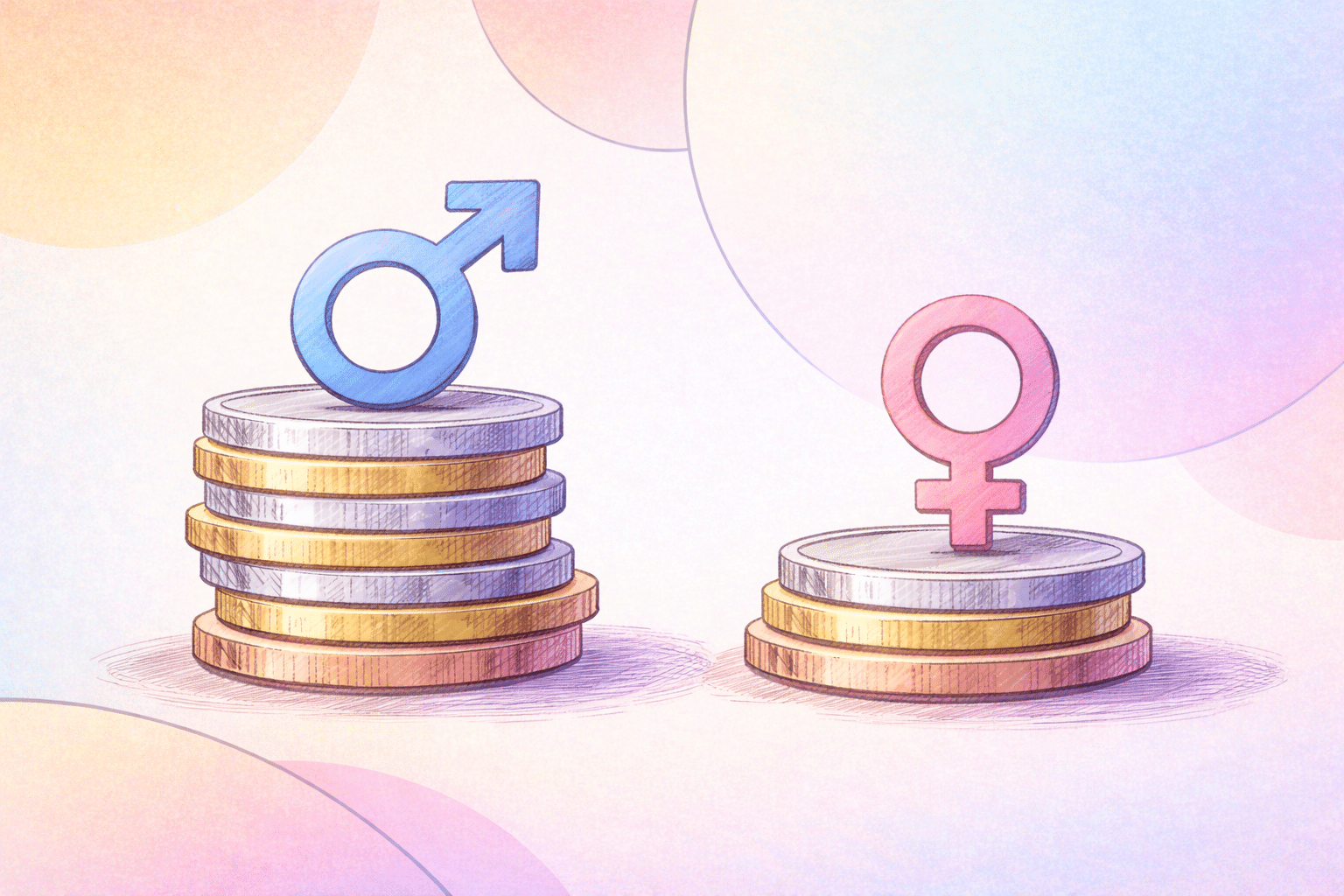
Every year on the eighth of March, my inbox and LinkedIn feed fill up. Purple graphics. Quotes from trailblazers. Warm and inspirational words from leadership teams. And every year I sit with a familiar mix of gratitude and unease. Because I know –as many women in business know –that one day of visibility does not a movement make. And this year, as the UK’s gender pay gap reporting deadline looms, and organisations scramble yet again to make sense of their numbers, I think it’s important to talk honestly about what progress actually looks like – and how messy and contradictory it can feel, even when we’re doing the right things.
A day vs. a direction
For the record I am not against International Women’s Day. I celebrate the women who came before me, who fought for rights I exercise every day without a second thought. I value the conversations it opens up, the visibility it gives to causes that too easily slip back into the background by 9 March.
But I do think we need to be honest about the gap – no pun intended – between celebration and systemic change. Women’s progression in the workplace is not a PR problem to be solved, or an internal comms agenda item which can be fixed with an annual campaign. It’s a structural, cultural, and organisational challenge that requires sustained effort, uncomfortable data, and genuine accountability. And right now, the UK’s gender pay gap reporting framework is one of the most powerful accountability tools we have – flawed, yes, but critical.
The numbers don’t lie. But they can’t tell the whole story either
Gender pay gap reporting requires organisations with more than 250 employees to publish a very specific set of numbers each year. These are often boiled down to two averages – the mean and the median. On the surface, this sounds straightforward. In practice, it’s quite complicated and often creates a situation where you can simultaneously have good and bad news – and where celebrating one without acknowledging the other is, at best, misleading and at worst actively harmful.
The mean gap tells you something about extreme outliers – a handful of very high-earning men or women can pull that number significantly. That means the median gap is often seen as a better reflection of the everyday experience of the typical woman in your organisation, versus the typical man, despite not comparing like for like job roles. You might have closed your mean gap, perhaps through targeted senior hiring, or because a few highly paid men have left, or you may have successfully retained more women into your top pay quartile. The truth is not all of these are to be celebrated equally.
This is something that leadership teams agonise over: I’ve witnessed it first-hand in CEO roles.. In that time I’ve sat in rooms where we debated which metric to lead with in communications. The temptation to headline the more flattering number was real. The pressure to ‘show progress’ – to the board, to employees, to the press – was immense. I understand why organisations do it. I’m not naive about the complexity of those conversations. But I also know the cost: employees – particularly women –aren’t fooled. They know what their lived experience tells them. And when the data doesn’t match that experience, trust erodes. At scarlettabbott, we work with some of the world’s most successful businesses to build workplace cultures that thrive on trust, so we know this time of year can be a real test of that.
Smaller is not always simpler
As an SME, we’re below the threshold for mandatory gender pay gap reporting. And I’ll be honest: there’s a strange privilege and a strange limitation in that. The privilege is flexibility. I can structure our team with equality baked in from day one, not retrofitted. The limitation is invisibility. No one is asking us to account for our numbers publicly, making it harder to have the conversations we need to have to keep ourselves accountable in the long term. As a consultancy that prides itself on making culture count, I believe the numbers have huge value, so this year we started doing the maths. What’s clear is that whatever side we fall on, it’s only through tracking our progress that we’ll be able to course correct.
What I’ve learnt, from both sides of this equation, is this: progress does not happen organically. It doesn’t happen because of goodwill, or because leaders believe in equality, or because a company publishes a lovely IWD post. It happens because data creates accountability, and accountability creates pressure, and pressure – the right kind – creates change.
An imperfect system worth defending
The gender pay gap reporting framework is far from perfect. It doesn’t capture ethnicity pay gaps, disability pay gaps, or intersectional inequalities with anything like enough nuance. It doesn’t mandate action plans, only disclosure. It doesn’t tell you why the gap exists, only that it does. Organisations can – and do – publish figures that are technically compliant, but strategically curated.
And yet … without it, we would be navigating in the dark, relying on anecdote and assumption. The requirement to report, even imperfectly, keeps the conversation on women’s progress alive past 8 March. It gives employees, journalists, campaigners, and competitors something to interrogate. It makes silence impossible.
So, to every organisation looking at their April deadline with a mixture of anxiety and confusion about what their mean and median figures are telling them: I see you. The complexity is real. But resist the temptation to tidy up the narrative before you fully understand the story. The conflicted data is the story. Sit with it. Then explain it honestly: to your people, to your leadership, to the public. More importantly though, ask yourselves what you’re going to do about it. Because what’s the point in counting it, if you don’t make it count?
 Written by Rowan Manning - CEO at scarlettabbott