The Importance of Emotional Intelligence in Leadership
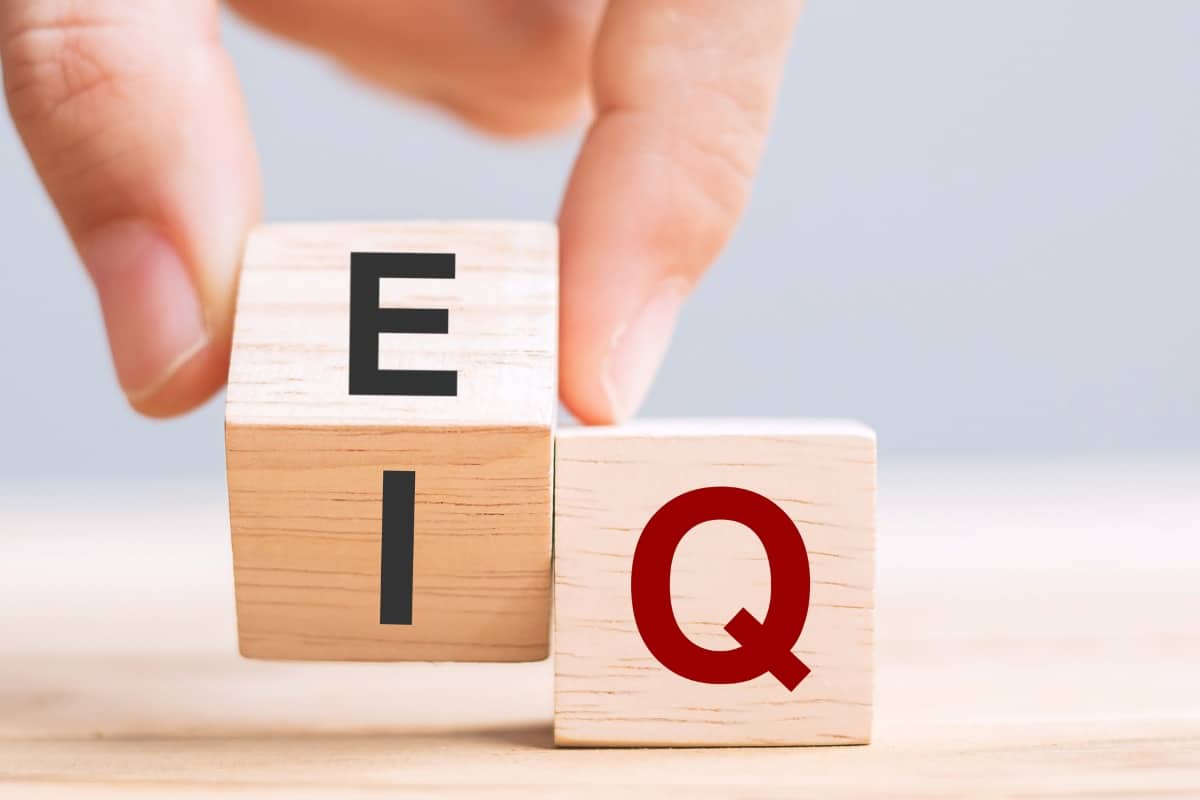
Leaders who lack emotional intelligence rarely recognise the problem themselves. Their teams do, though. The difference becomes apparent in retention rates, engagement scores, and the general atmosphere during stressful periods.
What Emotional Intelligence Actually Means
Emotional intelligence isn't about being nice or avoiding difficult decisions. It involves recognising your own emotional responses, understanding how they influence your judgement, and accurately reading the emotions of others. Most importantly, it means using this awareness to guide interactions and decisions.
The concept encompasses self-awareness, self-regulation, motivation, empathy, and social skills. That sounds theoretical until you consider practical scenarios: delivering critical feedback without triggering defensiveness, maintaining composure during crisis situations, or recognising when someone's performance issues stem from personal struggles rather than capability gaps.
Why It Matters More Than Technical Expertise
Technical skills get people into leadership positions. Emotional intelligence determines whether they succeed once they're there.
We've seen this pattern repeatedly across organisations. The technical expertise that earned someone their promotion becomes less relevant than their ability to navigate human complexity. A technically brilliant manager who consistently dismisses team concerns, misreads client reactions, or creates tension through poorly timed communication generates dysfunction that their expertise simply can't compensate for.
Meanwhile, a less technically accomplished leader who genuinely understands people, builds trust, and responds appropriately to emotional undercurrents creates teams that consistently outperform. The difference isn't subtle - it shows up in every performance metric that matters.
Self-Awareness as Foundation
Leaders without self-awareness make the same mistakes repeatedly. They don't understand why certain situations trigger specific reactions, why particular people frustrate them, or how their mood affects team dynamics.
Self-aware leaders recognise their patterns. They know they become impatient with ambiguity, that they withdraw when stressed, or that they tend to interrupt when excited about an idea. This awareness doesn't eliminate these tendencies, but it creates space for conscious choice rather than automatic reaction.
Developing this awareness requires honest reflection and willingness to accept uncomfortable truths. Most people find external feedback essential, whether through formal assessments, coaching, or simply asking trusted colleagues for candid observations.
The Empathy Component
Empathy often gets confused with agreement or leniency. It means understanding someone's perspective and emotional state, not necessarily validating or accommodating it.
Leaders focused on developing empathy-driven leadership skills don't automatically accept every explanation or excuse. They do consider context, recognise individual differences in communication styles and stress responses, and adjust their approach accordingly.
A team member missing deadlines might be struggling with genuine capacity issues, unclear priorities, personal circumstances, or simple disorganisation. Empathetic leaders distinguish between these scenarios and respond appropriately rather than applying uniform solutions.
Managing Your Own Emotions
Self-regulation separates adequate leaders from exceptional ones. Everyone experiences frustration, disappointment, and stress. Leaders who express these emotions without filter create unstable environments where people spend energy predicting mood rather than focusing on work.
This doesn't mean suppressing all emotion or maintaining artificial positivity. It means choosing when and how to express feelings rather than being controlled by them. The leader who receives disappointing news, takes a moment to process it, then addresses the team with measured concern rather than visible panic demonstrates valuable self-regulation.
Building Genuine Connections

Social skills in leadership extend beyond charm or likability. They involve reading situations accurately, adapting communication style to different audiences, managing conflict constructively, and building networks based on mutual benefit rather than extraction.
Leaders with strong social skills navigate organisational politics without becoming political, influence without manipulation, and build coalitions across different interest groups. Organisations like us that offer strategic support to strengthen employee connections create environments where these skills can flourish, enabling leaders to build genuine relationships across teams.
These skills become particularly valuable during change initiatives, which typically fail due to human factors rather than strategic or technical flaws. Leaders who understand resistance, address underlying concerns, and communicate with genuine transparency manage transitions far more effectively than those who simply announce changes and expect compliance.
Practical Development Approaches
Emotional intelligence isn't fixed. Leaders can develop these capabilities through deliberate practice, though it requires more effort than acquiring technical skills.
Start with soliciting honest feedback about emotional impact. Ask colleagues how they experience your leadership during stress, what patterns they notice, and where they see blind spots. The initial feedback often proves uncomfortable, which usually indicates its accuracy.
Practice pause before response, particularly in triggering situations. That three-second gap between stimulus and reaction creates opportunity for choice. Notice physical responses to stress or frustration - jaw tension, shallow breathing, rising voice - and use them as early warning signals.
Invest time understanding individual team members. What motivates them? What frustrates them? How do they prefer to receive feedback? This information transforms generic management into personalised leadership.
The Broader Impact
Emotionally intelligent leadership cascades throughout organisations. Leaders model behaviour that becomes the cultural norm. Teams led by emotionally intelligent people tend to develop higher psychological safety, more effective collaboration, and better conflict resolution.
The financial implications prove substantial. Organisations with emotionally intelligent leadership see improved retention, higher engagement, better customer satisfaction, and stronger innovation. People don't leave jobs - they leave managers who don't understand them.
This creates a compounding effect. High-performing organisations attract talent that values emotional intelligence, which reinforces the culture, which attracts more of the right people. The reverse spiral proves equally powerful - and far more destructive.
Recognition Over Perfection
No leader masters emotional intelligence completely. The goal isn't perfection but consistent awareness and genuine effort.
The leader who recognises a mistake, acknowledges it, and adjusts demonstrates more emotional intelligence than one who never makes mistakes but also never connects meaningfully with their team. Vulnerability, when appropriate, builds trust rather than undermining it.
The work continues throughout a career. New situations reveal new challenges. Different team compositions require different approaches. Market pressures create novel stressors. Emotionally intelligent leaders treat this evolution as opportunity rather than burden, recognising that their ongoing development models exactly the kind of growth mindset their teams need to succeed.